
A Taste of Europe: Cheese, Olive Oil, Chocolate… and a Lesson in Terroir
At New York’s Taste of Europe Challenge, two cooks went head-to-head while a trio of guided tastings offered a deeper look at the quality, craftsmanship, and sense of place behind European ingredients.
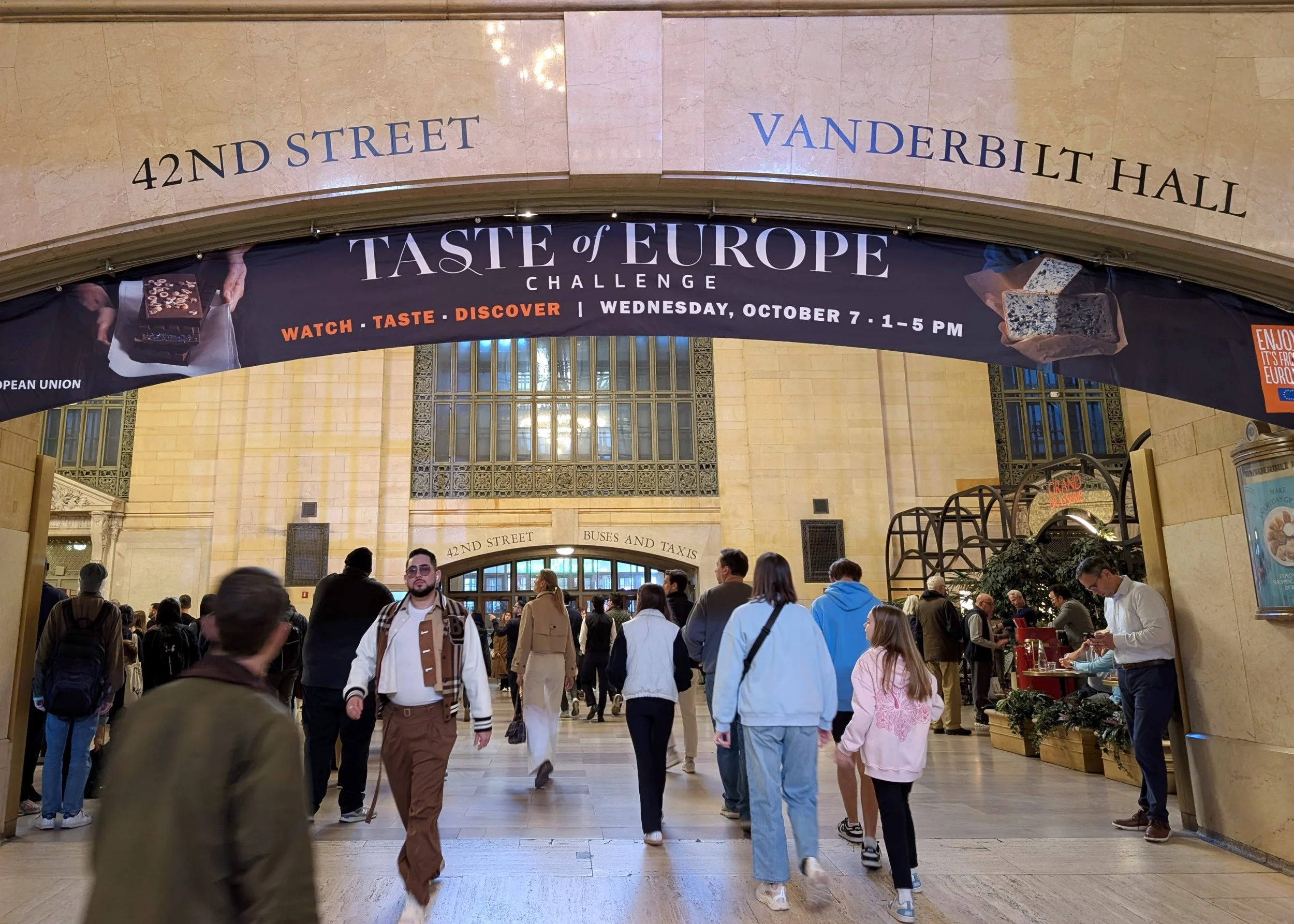
photo: Sarah Tracey
As a sommelier, I’m accustomed to thinking about where things come from. With wine, we expect geography to matter: soil, climate, grape variety, farming, tradition, and production choices all contribute to what eventually ends up in the glass.
At the Taste of Europe Challenge in New York City, I found myself having many of those same conversations… only this time, the glasses were filled with olive oil, and wine shared the spotlight with cheese and chocolate. What struck me throughout the afternoon was how clearly that same idea of terroir came through in everything from Gouda to extra-virgin olive oil.
Held at Vanderbilt Hall in Grand Central Terminal, the event paired food education with a live cooking competition and a marketplace featuring products from all 27 EU member states. Cookbook author and food personality Dan Pelosi hosted the afternoon, which featured culinary creators Mishka Murphy and Alexa Santos facing off in the kitchen, alongside guided tastings of European cheese, extra-virgin olive oil, and chocolate.
Santos and Murphy were tasked with creating original dishes from ingredients selected from the event’s European Marketplace, with each round highlighting one of the day’s featured categories. Their dishes were judged by Nadia Loddo, Counselor for Agriculture at the Delegation of the European Union to the United States; Chef Danny Garcia, winner of Top Chef Season 21; food creator and cookbook author Ilena Tovia; and Eater correspondent Matthew Kang. Judges considered each contestant’s use of the featured ingredient and other European products, along with creativity and presentation.
Mishka ultimately took home the win with creative dishes like Chilled Spaghetti Puttanesca with Shallot-Fennel Crisp
(chilled spaghetti tossed with European olive oil, tomatoes, Kalamata olives, capers, anchovies, and citrus, finished with a crispy shallot-fennel topping and fresh herbs), while Santos gave her own spin on the featured products with creations like Brûléed European Excellence
(Brûléed Brillat-Savarin PGI cheese from France, topped with Jambon de Bayonne PGI, lingonberry fruit spread, Latvian honey, and toasted pumpkin seeds from Luxembourg, served with baguette.) But the competition was only part of the story. Between rounds, experts led us through products from across Europe, offering a closer look at how geography, traditional production methods and craftsmanship influence what eventually lands on our plates. And for someone who spends a lot of time talking about terroir, that was where things got especially interesting.
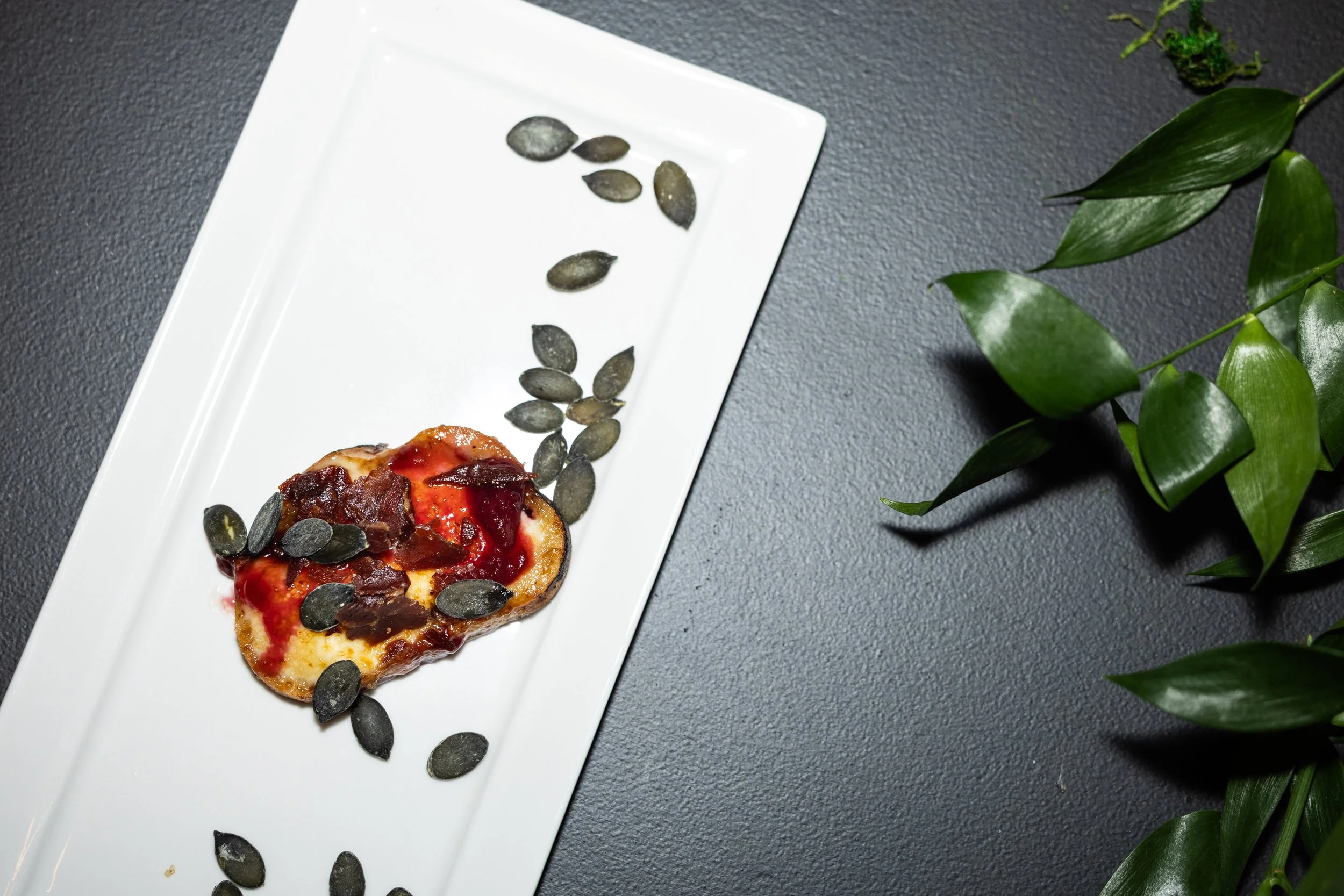
Photo: Jackie Molloy
Starting With Cheese
Career cheesemonger Joshua Santamaria led the first tasting, exploring how milk type, landscape, climate, aging, and regional traditions can shape European cheeses. The flight moved across dramatically different styles, from fresh and creamy to nutty, grassy, tangy, and aged.
For me, the biggest surprise was the Brillat-Savarin PGI from France. Rich, creamy, and unapologetically indulgent, it made an immediate impression. My favorite, though, was the Noord-Hollandse Gouda from the Netherlands, which probably says as much about my own palate as the cheese itself. And that, as Pelosi pointed out when I spoke with him after the event, is part of the fun. “Excitement around food involves curiosity and trying new things,” he told me. It’s a useful way to approach a category that can easily feel intimidating. European cheese can introduce unfamiliar regions, languages, styles, and designations all at once; add labels like PDO and PGI, and suddenly the cheese case can feel like it requires a study guide. But curiosity is a much better place to start than expertise.
Pelosi described his own approach as learning through tasting — including tasting things he doesn’t like. “You have to embrace things not tasting good,” he said. “I don’t love a super funky cheese, and I know that because I tasted a lot.”
Figuring out your own palate is familiar territory for anyone who studies wine. You learn as much by recognizing what doesn’t appeal to you as you do by identifying favorites; sometimes the reward for taking a chance is much bigger.
“You might fall in love with that cheese,” Pelosi said, “and not be able to stop thinking about it, and then you might plan a vacation around going to find out where it’s made.” As a wine person, I can confirm that this is absolutely how it starts.
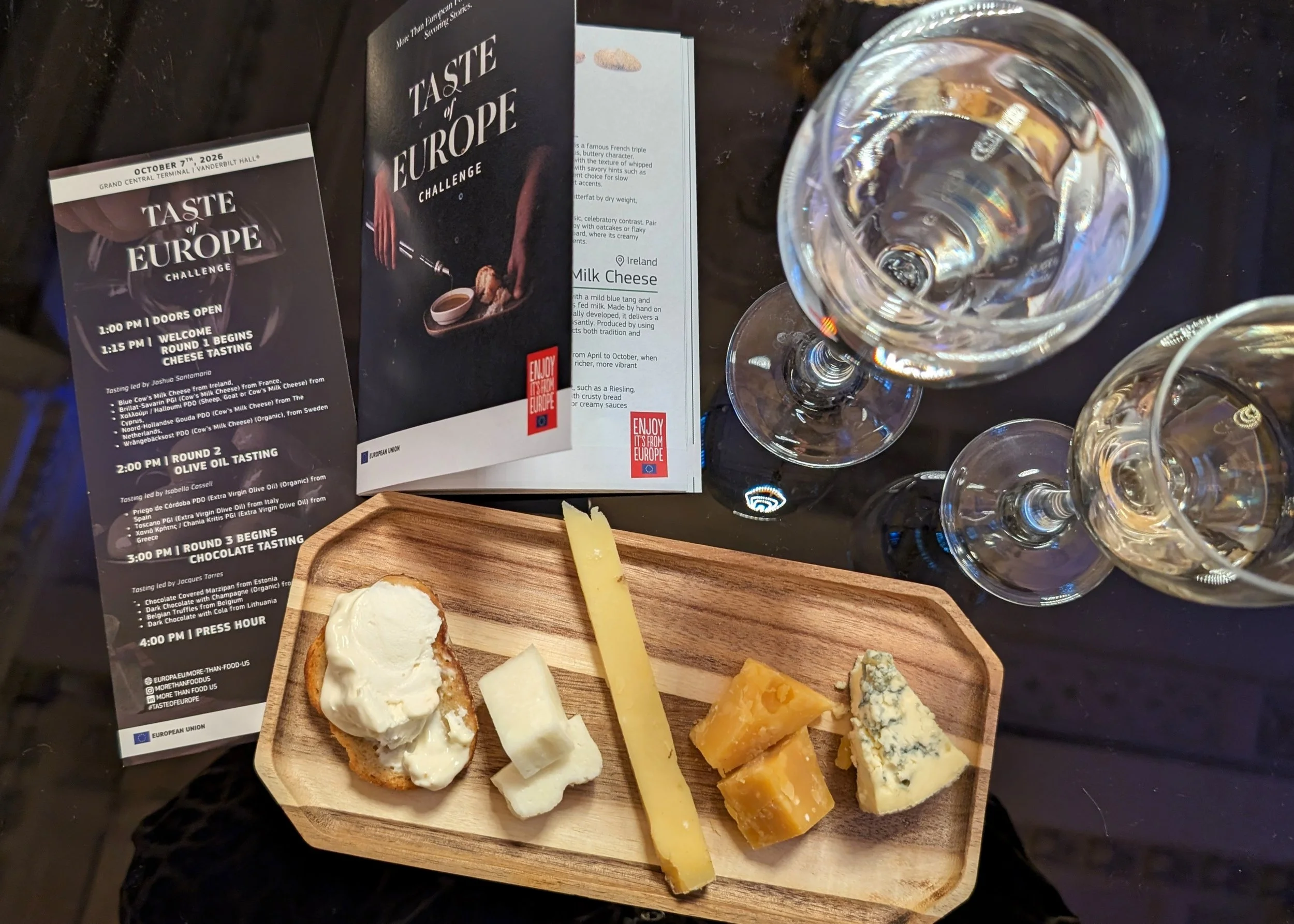
photo: Sarah Tracey
Tasting Olive Oil Like a Sommelier
The olive oil tasting was the moment when my sommelier brain really kicked in.
Isabella Cassell, an Olive Oil Sommelier at The Full, introduced us to strippaggio, the professional tasting method of warming the glass between your hands, cupping the top to trap the aromas, then uncovering it and taking a deep sniff before tasting. The ritual felt instantly familiar: concentrate the aromas, taste deliberately, and pay attention to texture, bitterness, and finish.
Cassell also encouraged us to ignore color — greener doesn’t necessarily mean better — and to embrace the peppery catch that can hit at the back of the throat. Far from being a flaw, that pungency is one of the characteristics tasters look for in quality extra-virgin olive oil.
Once we tasted the oils side by side, the parallels with wine became even clearer. The Greek oil was smooth and buttery but finished with a peppery bite. The Spanish oil was fruitier, with distinct notes of tomato and tomato leaf. The Tuscan oil, meanwhile, was much grassier. Same category, completely different expressions.
For me, that was one of the clearest examples of terroir all afternoon. In wine, we readily accept that geography, climate, farming, and production choices can leave a fingerprint on what’s in the glass. Tasting these oils together made the same idea just as obvious: you can taste place.
Pelosi sees olive oil as an easy entry point for home cooks to start noticing how much provenance can shape flavor, but he also made a point of not letting expertise become a barrier. “I do want people to know the difference between a cooking oil and a finishing oil, but I never want to write a recipe that relies on something special,” he said. For him, the goal isn’t to make people feel they need to know exactly which oil to use when before they can start exploring. It’s to encourage them to taste, experiment, and build that knowledge along the way.
He pointed to something as simple as a ripe tomato, sea salt, and olive oil: a dish where a distinctive oil can shine, but where curiosity matters more than getting every choice “right” from the start.
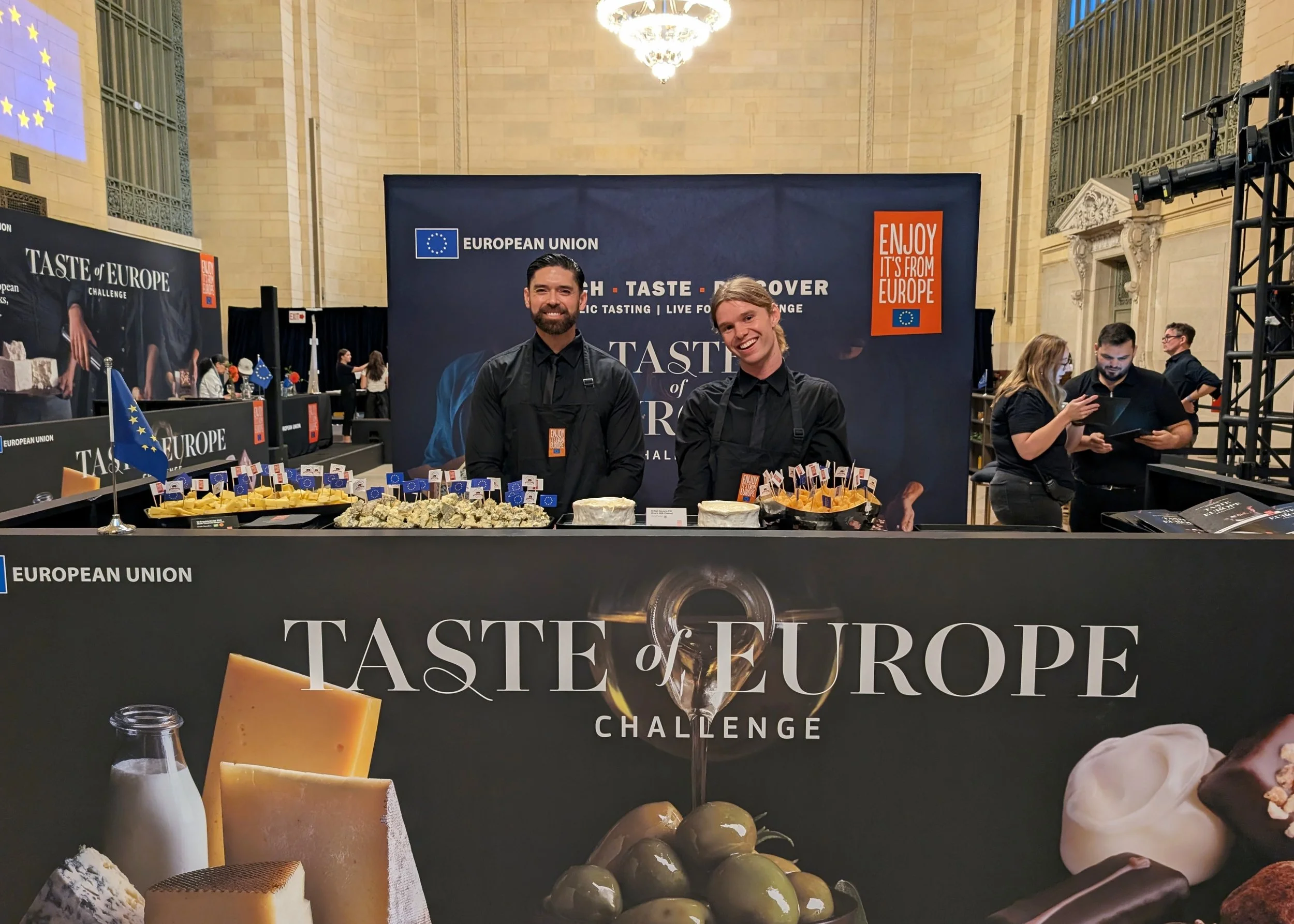
photo: Sarah Tracey
Jacques Torres Makes the Case for Chocolate
Then came chocolate (and, yes, I was a little starstruck...)
Jacques Torres, founder of Jacques Torres Chocolate, led the final guided tasting, encouraging us to evaluate chocolate through sight, aroma, texture, and flavor rather than simply deciding whether it was “good.” Even the sound of a clean snap and the way the flavors developed as the chocolate melted became part of the experience.
The flight itself showed how broad European chocolate traditions can be: chocolate-covered marzipan from Estonia, organic dark chocolate with Champagne from Austria, Belgian truffles, and dark chocolate with cola from Lithuania.
What stayed with me was how much more there was to notice once chocolate was treated with the same attention we routinely give wine. Texture mattered. Balance mattered. Sweetness and bitterness mattered. How the chocolate broke, melted, and developed on the palate all offered clues to how it had been made.
I was also surprised to learn during the session that European and American milk chocolate can differ considerably in how they’re produced — another reminder that a familiar category name doesn’t necessarily tell the whole story.
By then, a pattern had become impossible to miss. Cheese, olive oil, and chocolate may seem like completely different products, but each can tell us something about place, tradition, raw materials, technique, and the people who make it.
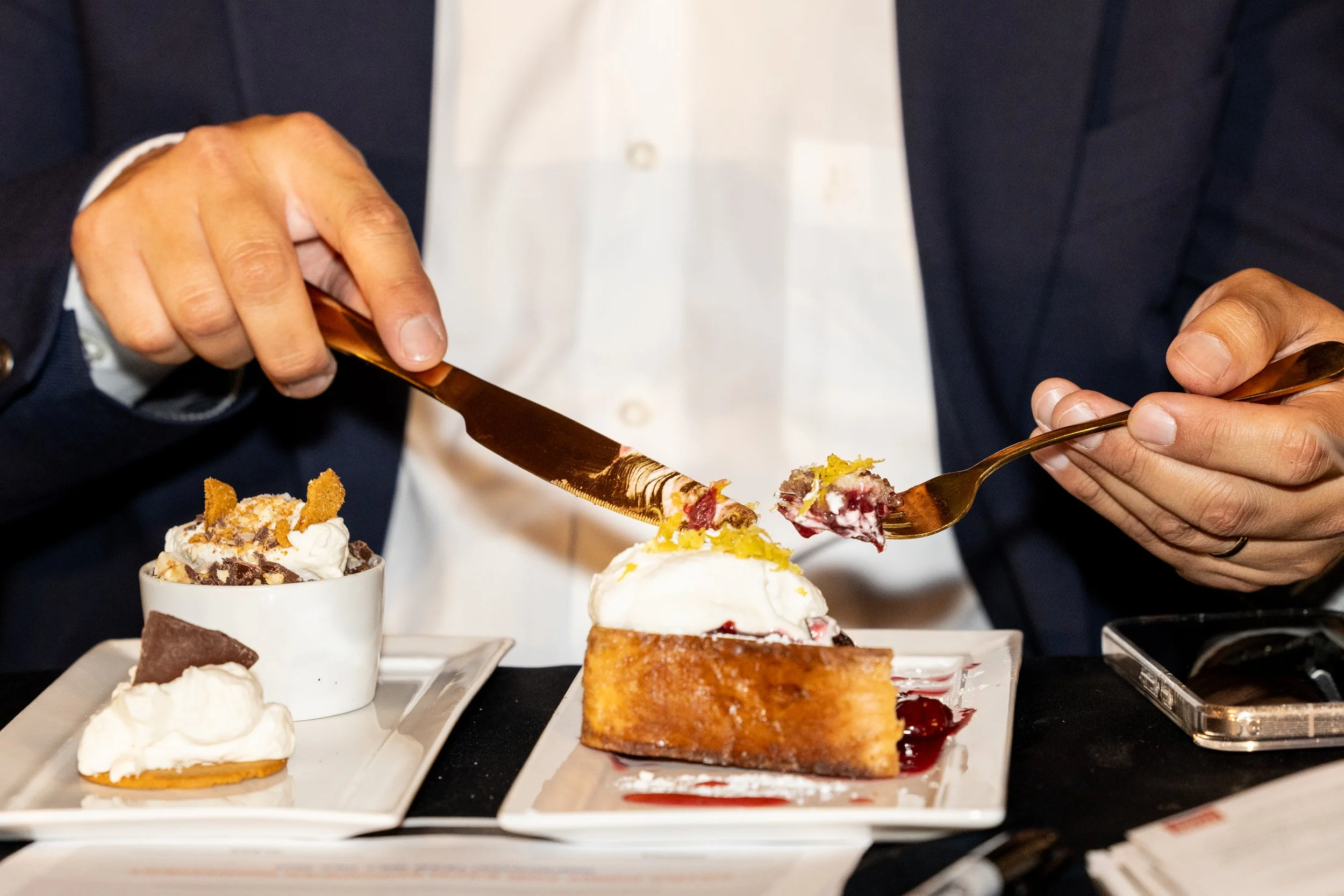
photo: Jackie Molloy
What Those European Labels Actually Mean
That emphasis on place also made the EU’s quality labels feel less abstract.
A Protected Designation of Origin (PDO) identifies products with especially strong ties to a specific place, while Protected Geographical Indication (PGI) also connects a product’s reputation or characteristics to its geographical origin. The EU Organic label indicates products produced according to the European Union’s organic standards.
On paper, that can sound like a lot of terminology to remember. In practice, though, the tastings made the point clearer: these labels can offer clues about where a product comes from, how it was made, and the traditions behind it. They’re less interesting as badges on a package than as an invitation to ask a few more questions.
The European Marketplace made that idea especially tangible. Sixty-eight products across eight categories represented all 27 EU member states, while tasting stations and an interactive map connected specialties with their countries of origin. Walking through it, the sheer range reminded me that “European food” is about as specific a category as “European wine.”
That’s also where Pelosi’s perspective clicked for me. Facts and certifications help, but they rarely make someone fall in love with an ingredient. “What people are really mostly interested in is the story behind it and the reason behind it,” he told me. “The people who are making it, and the craftsmanship and the quality.”

photo: Sarah Tracey
Taste First, Then Ask Questions
By the end of the afternoon, that felt like the simplest takeaway from the entire event. As a sommelier, I’m trained to ask where something comes from. We want to know the vineyard, the vintage, the soil, the climate, the producer. All of those details help explain why one glass tastes different from the next.
But wine hardly has a monopoly on provenance. A Gouda can reflect generations of cheesemaking tradition. An olive oil can taste buttery and peppery, fruity and tomato-leaf green, or intensely grassy depending on where and how it was produced. Chocolate can reveal differences in ingredients, technique, texture, and confectionery culture. Once you start paying attention, those distinctions become harder not to notice.
And maybe that’s the best way into all of this. Not memorizing every designation first. Not worrying about whether you know the “right” way to use an ingredient. Just taste, ask questions, and figure out what you like along the way.
Buy the unfamiliar cheese. Compare the olive oils. Try the chocolate you’ve never heard of. Maybe you won’t love everything.
Or maybe, as Pelosi suggested, you’ll find yourself planning a vacation around one of them.
Discover more here: More Than European Food and Drinks, Savoring Stories , and on Instagram: @morethanfoodus


